Obscure Books
Black Education: Myths and Tragedies by Thomas Sowell
Black Education: Myths and Tragedies by Thomas Sowell
Couldn't load pickup availability
Black Education: Myths and Tragedies
This is a REPRINT of an exceedingly difficult book to find.
Please allow two weeks for the book to be delivered.
Note: This book is a reproduction of the historical text for academic, historical, or collector purposes.
Originally published in 1972; third printing printed in 2026.
6" x 9" / 338 pages
Book description
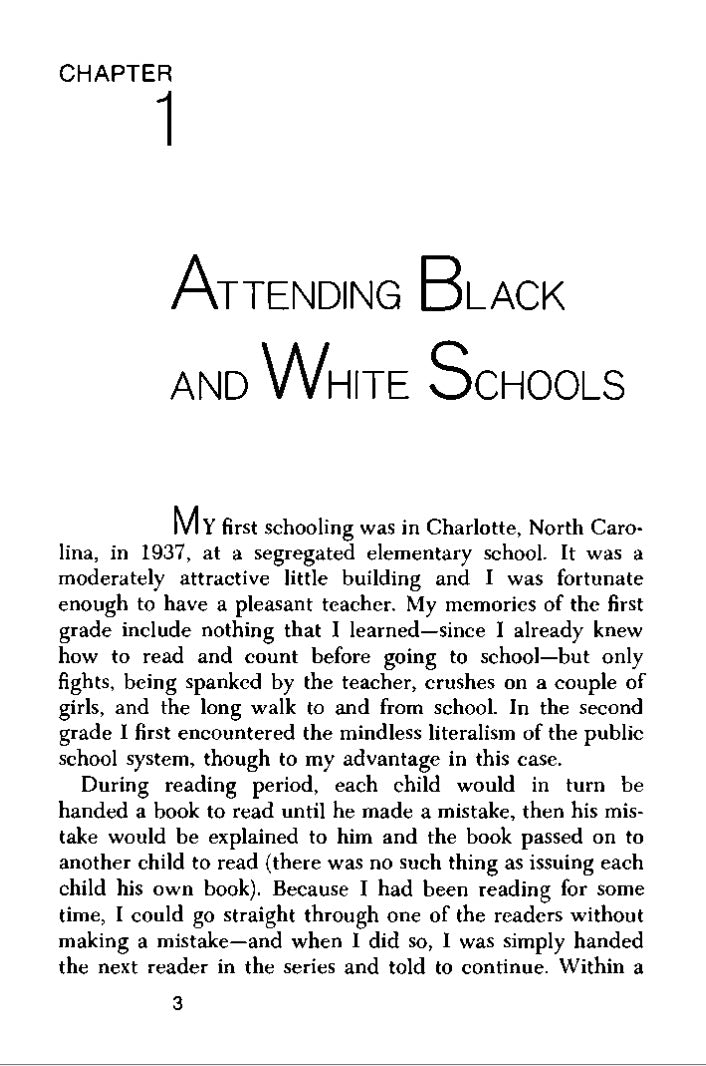
Thomas Sowell’s Black Education: Myths and Tragedies (1972) presents a provocative critique of American educational policies toward Black students, particularly affirmative action, lowered academic standards, and racially oriented academic programs. Drawing on his experiences as a student and university professor, Sowell argues that well-intentioned efforts to promote racial equality often undermine the academic achievement and long-term prospects of the students they are intended to benefit. He contends that universities increasingly prioritized racial representation and political considerations over intellectual development, admitting academically unprepared students while failing to provide the rigorous education necessary for their success.
Sowell is particularly critical of Black Studies programs that, in his view, substituted political ideology and racial consciousness for serious scholarship. Recounting the campus unrest at Cornell University in 1969, he describes administrators and faculty members who surrendered academic principles to militant student demands. Rather than lowering expectations, Sowell advocates intensive preparatory programs that would enable disadvantaged Black students to meet established academic standards. He maintains that genuine educational equality requires substantive knowledge, intellectual discipline, and meaningful opportunities for achievement rather than preferential treatment or diminished requirements.
In his Commentary review, Walter Goodman praises Sowell's willingness to challenge prevailing assumptions about race and education, while criticizing his sometimes abrasive tone and reliance on anecdotal evidence. Nevertheless, Goodman regards the book as an important contribution to the debate over educational opportunity and academic integrity. Sowell's central argument—that policies designed to advance racial equality can inadvertently perpetuate educational disadvantage—remains relevant to contemporary controversies surrounding affirmative action, academic standards, and the role of universities in addressing racial disparities.
Share